
Mortgage Broker in Travis County
Experienced mortgage broker serving Travis County and surrounding Texas communities. Find the right loan program for your situation. Buying in the city? Meet your Austin mortgage broker.
Honest pricing, clear guidance, and a local team that picks up the phone — from first question to final signature.
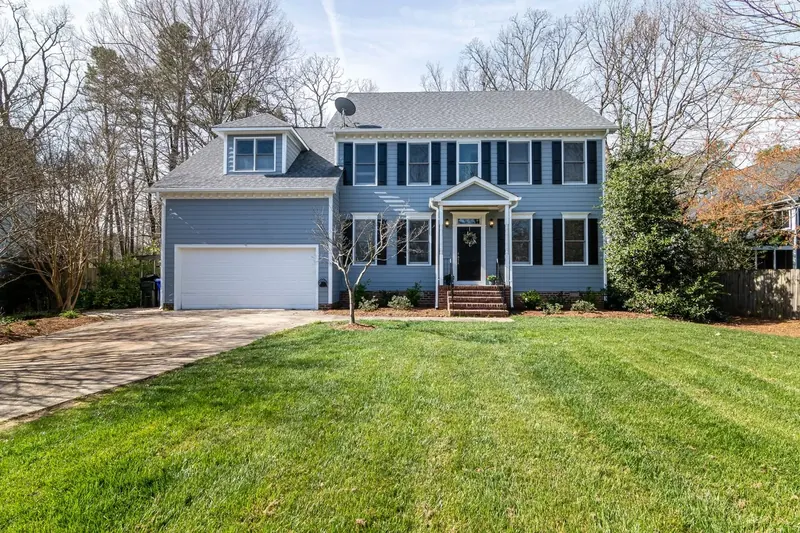
Travis County mortgages at a glance
CapFi Lending is an Austin-based mortgage broker licensed to make loans anywhere in Texas, including Travis County. We compare programs from more than 50 wholesale lenders for buyers, homeowners, investors and self-employed borrowers across the county, with non-QM options like DSCR, bank statement, P&L, asset depletion and ITIN loans when tax returns don’t show the full picture.
Loan Types We Specialize In
Explore the loan programs available to Travis County, TX home buyers and homeowners.
Serving Homebuyers in Travis County
We work with buyers and homeowners across Travis County, from the heart of downtown Austin to the quieter corners of Lakeway and Pflugerville. Our team handles conventional, FHA, VA, and jumbo loans, as well as financing for condos, multi-unit homes, and refinancing options tailored for the local market. Whether you’re looking at a single-family home in Westlake, a new build in East Austin, or a downtown condo, we understand the unique financing challenges that come with each. We help clients navigate local requirements and move confidently toward their next home. Buying north of the county line? See our Round Rock, TX mortgage broker and Leander, TX mortgage broker pages.
What Buying a Home in Travis County Is Really Like
Buying a home in Travis County feels different than anywhere else in Texas. Here, the real estate landscape shifts block by block. Downtown Austin’s condo market is robust, and many buildings require special attention during underwriting — association budgets, litigation history, and project approval can stretch timelines if you don’t know what to expect. We plan for that early, working closely with associations to gather the documentation lenders want before it turns urgent.
In neighborhoods with older homes like Hyde Park or Travis Heights, appraisals often flag items like outdated wiring, foundation work, or roof age. We’re ready for this and talk through renovation financing options or escrow holdbacks before you ever make an offer. In newer master-planned areas like Circle C, you’ll see more predictable appraisal outcomes, but sometimes competition means you need a Fast Approval to have your offer taken seriously.
Jumbo loans are a regular conversation in places like Westlake, Barton Creek, and parts of Central Austin where home values often exceed the conforming loan limit. In these situations, we work with buyers to compare jumbo options from different lenders, making sure qualifying requirements and documentation lines up with both the property and the borrower’s profile.
Multi-unit properties — especially in North Loop or parts of East Austin — bring up questions about using projected rental income to qualify. Lenders want details: signed leases, market rent analysis, sometimes even documentation of how utilities are split. We help clients prepare these documents upfront so there are no surprises late in the process.
Flood insurance isn’t a routine issue here, but it does come up in pockets along Shoal Creek or near the Colorado River. When it does, we help clients understand what’s required and how it factors into qualifying. And competition can be fierce in Travis County — it’s not unusual for a seller to expect proof of financing within hours, especially in multiple-offer situations. We make sure preapprovals are rock-solid and that you get real answers fast when timing matters.
Travis County facts and sources
| Fact | Figure | Source |
|---|---|---|
| Population, July 1, 2025 estimate | 1,389,670 | U.S. Census Bureau QuickFacts (V2025) |
| Housing units, July 1, 2025 | 682,547 | U.S. Census Bureau QuickFacts (V2025) |
| Building permits, 2025 | 15,059 | U.S. Census Bureau QuickFacts |
| Median value of owner-occupied homes | $523,000 | U.S. Census Bureau QuickFacts, ACS 2020–2024 |
| Owner-occupied housing rate | 52.1% | U.S. Census Bureau QuickFacts, ACS 2020–2024 |
| Foreign-born residents | 18.1% | U.S. Census Bureau QuickFacts, ACS 2020–2024 |
About half of Travis County homes are owner-occupied, and Census counts more than 15,000 residential building permits in 2025. Nearly one in five residents was born outside the U.S., so ITIN and foreign national programs come up alongside conventional and jumbo loans.
How We Help Travis County Buyers and Homeowners
Our clients in Travis County come to us with a range of situations, and we meet each one with deep local knowledge. First-time buyers, especially those looking in neighborhoods like South Austin or Windsor Park, lean on us to explain what’s different about buying here — how HOA dues affect qualifying, what to expect from older properties, and how to make an offer stand out in a crowded field. We’re here for real conversations, not just filling out forms.
Move-up and downsizing buyers often need to coordinate a sale and purchase at the same time, especially in areas like Westlake or Tarrytown where timing matters. We guide clients through bridge loan options, simultaneous closings, and strategies to minimize risk and stress. When self-employed or commission-based buyers come to us — common in Austin’s start-up and creative economies — we help present income in a way underwriters understand, gathering the right documentation from the start.
Condo and multi-unit buyers encounter specific challenges. For condos, we work with association managers to get project questionnaires, insurance certificates, and budget reports that lenders always want. For two- to four-unit properties, we help buyers prepare complete rental histories and pro forma income statements, so the numbers line up with lender expectations.
Homeowners looking to refinance — whether to lower payments, tap equity, or switch loan types — appreciate that we pull from a wide range of lenders, not just one bank’s set of options. We compare offers, explain differences, and make sure our clients understand the costs and benefits before moving forward. For those facing tight timelines, like buyers in a bidding war or refinancing before a rate change, we streamline paperwork and keep communication open so there are no unwelcome surprises. Most importantly, we make sure you can talk to a real person, every step of the way.
Which loan fits a Travis County buyer
| If you are… | Program to look at | How income is shown | Can the home be a rental? | Notes |
|---|---|---|---|---|
| Self-employed, tax returns show high write-offs | Bank statement | 12–24 months of deposits | Varies by lender | Any price range; not a jumbo-only product |
| Self-employed with a CPA-prepared P&L | P&L loan | Profit-and-loss statement | Varies by lender | Some lenders also want bank statements |
| Buying a rental | DSCR loan | The property’s rent, not your income | Yes, investment only | Ratio requirement varies by lender |
| Retired or living on savings | Asset depletion | Eligible assets converted to income | Varies by lender | Which assets count varies by lender |
| Paying taxes with an ITIN | ITIN mortgage | Varies by lender | Varies by lender | Some lenders accept alternative credit |
| Living outside the U.S. | Foreign national | Foreign income docs, varies by lender | Varies by lender | Power of attorney closings with some lenders |
| W-2 or veteran with documented income | Conventional, FHA, VA | Pay stubs, W-2s, tax returns | Primary residence for FHA and VA | Agency guidelines apply |
Terms vary by lender. No FICO, LTV, rate or reserve numbers shown on purpose.
Neighborhoods We Serve in Travis County
- Westlake: Known for its large homes and highly-rated schools, Westlake attracts families and professionals. Financing here often means jumbo loans and properties with unique features that require extra appraisal attention.
- Downtown Austin: High-rise condos dominate, drawing buyers who want walkability and amenities. Underwriting leans heavily on condo association health and project approvals, so we stay proactive with documentation.
- Hyde Park: A historic district with older homes, Hyde Park buyers often navigate appraisal repairs and unique property quirks. First-time buyers and renovation-minded clients are common here.
- East Austin: Rapidly changing, with a mix of new builds and vintage bungalows. Many buyers here are self-employed or purchasing duplexes, so creative qualifying and rental income analysis are routine.
- Circle C Ranch: Master-planned, newer homes. Buyers here value smooth closings and predictable timelines — especially families moving within the area for schools or more space.
- Travis Heights: Eclectic, close to downtown, and full of character homes. Appraisal surprises can pop up, so we talk through renovation financing and escrow options early on.
- Pflugerville: Just northeast of Austin, this area draws buyers looking for more space. FHA and VA loans are popular, and we help clients navigate the nuances of newer suburban developments.
- Lakeway: Homes near the lake attract move-up buyers and those wanting a quieter pace. Larger properties and unique features make detailed appraisals and insurance reviews important.
- Mueller: Planned community living with a mix of condos, townhomes, and single-family homes. Buyers here want green features, and we make sure energy efficiency upgrades are properly documented for lenders.
Programs Available to Travis County Buyers
Travis County does not have its own dedicated homebuyer assistance program, but Austin buyers can benefit from the City of Austin’s Down Payment Assistance Program, which is designed for first-time buyers purchasing within city limits. This program can help with upfront costs, but it comes with property and income guidelines, so we help clients determine eligibility early.
Statewide, Texas offers programs like the Texas State Affordable Housing Corporation (TSAHC), which supports first-time buyers, teachers, police officers, and certain other professions. TSAHC programs can provide down payment assistance or more flexible qualifying, especially helpful in Travis County’s competitive markets. The My First Texas Home program is another option for those who qualify, and it’s popular among buyers in neighborhoods like Windsor Park or Circle C Ranch who are purchasing their first property.
Terms and eligibility for these programs can change, and not every home or buyer will qualify. We always confirm current details for each client, so you get real answers based on your situation — not just generic advice.
Non-QM loans are for borrowers whose income is real but doesn’t fit a tax-return box: business owners, 1099 contractors, investors, retirees living on assets, and buyers without a Social Security number.
Non-QM loans
Non-QM loans are for borrowers whose income is real but doesn’t fit a tax-return box.
- Bank statement loans qualify you on 12 or 24 months of deposits instead of tax returns, at any price point.
- P&L loans use a profit-and-loss statement prepared by a CPA or tax preparer.
- DSCR loans qualify a rental on its rent. See also DSCR 5–8 unit loans, the DSCR second mortgage and our Texas DSCR guide.
- Asset depletion turns eligible savings and investments into qualifying income.
- ITIN and foreign national mortgages serve buyers without a Social Security number or U.S. credit history.
- WVOE loans: the lender verifies employment directly with your employer.
- Interest-only, non-warrantable condo and after bankruptcy or foreclosure loans cover what agency rules won’t. Waiting periods vary by lender and chapter.
See all non-QM loan options or the self-employed mortgage page.
Agency loans
Conventional, FHA and VA loans fit buyers with W-2 income and documented tax returns. Jumbo loans cover amounts above the conforming limit. Homeowners can also look at a refinance, cash-out refinance or HELOC.
Property taxes
Travis County homes are appraised by the Travis Central Appraisal District; see our Bee Cave page for homestead, cap and protest details.
Agency loan costs
No lender fees on agency loans (conventional, FHA, VA). Third-party costs may apply.
Talk to Someone Who Knows Travis County
If you want local answers from someone who lives and works in Travis County, give us a call or send a note. There’s no script or call center — just honest, straightforward guidance from our team. We’re licensed in Texas, proud to serve Travis County and Williamson County, and always here for your questions. Let’s talk about your options and what makes sense for you.
Talk to a broker about Travis County
CapFi Lending is a broker, not the lender. We work with more than 50 wholesale lenders and are licensed to make loans anywhere in Texas. Program terms are set by each lender.
Call or text (512) 593-1336, Mon–Sat 9–7. Office visits are by appointment in Austin.
Rated 4.9 on Google (79 reviews).
- Dustin Edwards, Founding Partner / MLO
- Clay Wilson NMLS 1849979.
By Dustin Edwards, NMLS 577050
Frequently Asked Questions
Does Travis County have any first-time homebuyer assistance programs I can use with my mortgage?
Yes, Travis County offers assistance programs for first-time homebuyers, including down payment and closing cost help. These programs often have eligibility requirements based on income and property location, so it’s important to check with local agencies or your mortgage broker for current options.
Can I use rental income from a duplex in Travis County to help me qualify for a mortgage?
Many lenders will consider projected rental income from a two-unit property in Travis County when determining your qualifying amount. You’ll need to provide documentation, and the property must meet specific occupancy and condition requirements.
Are there special mortgage requirements for condos in downtown Austin or other parts of Travis County?
Condos in Travis County, especially in downtown Austin, may be subject to additional lender reviews related to the building’s financial health and occupancy rates. Your mortgage broker can help determine if a specific condo project is eligible for conventional or government-backed financing.
Who do I contact in Travis County for property tax information related to my new mortgage?
Property tax questions in Travis County are handled by the Travis Central Appraisal District. Your mortgage broker can assist you with understanding how your taxes might impact your monthly payment and where to find official records.
Do older homes in Travis County require any special inspections or loan types for renovation needs?
Older homes in Travis County may require specific inspections and, in some cases, a renovation or rehab loan if repairs are needed. Your mortgage broker can advise on available loan programs that allow you to finance both the purchase and necessary improvements.
Business owners in Travis County often write off a lot. Can deposits replace tax returns here?
Most use a bank statement or P&L loan. Census puts the county’s median owner-occupied value at $523,000, and self-employed buyers whose returns show heavy write-offs often qualify on deposits instead. These loans work at any price point, not just jumbo amounts. Terms vary by lender.
Travis County buyers include many recent arrivals. Can I qualify with short U.S. credit history?
Yes. Some lenders accept alternative credit, like rent and utility history, for ITIN and newer-to-credit borrowers, and foreign national programs serve buyers who live abroad. Permanent residents usually qualify for conventional loans. Documentation rules vary by lender. Census estimates about 18% of Travis County residents were born abroad.
Travis County’s housing is about half rented. Can a DSCR loan cover a 5- to 8-unit building?
Yes. DSCR 5–8 unit loans qualify small apartment buildings on their rent, since agency loans stop at four units. Census reports about 52% of Travis County homes are owner-occupied, so rental demand is steady. Each lender sets its own ratio and property condition rules.
H-1B and other visa holders work across Travis County. Are they eligible for a mortgage?
Yes, in many cases. Some conventional and non-QM lenders accept H-1B and other visa holders with a valid EAD or visa and a work history. Census estimates about 18% of county residents were born abroad. Required visa time remaining and documents vary by lender.
Can tech workers paid in RSUs use stock income to qualify in Travis County?
Sometimes. Some lenders count vested restricted stock income with a documented history, and asset depletion can count vested shares as an asset. How much counts, and for how long, varies by lender. Send us your vesting schedule and we’ll match it to lenders.
Will an interest-only payment help my Travis County rental pass a DSCR test?
Yes, from some non-QM lenders. An interest-only period lowers the early payment, and some lenders calculate the DSCR ratio on that interest-only payment, which can help a rental qualify. The payment rises when principal starts. Terms vary by lender. Interest-only periods can also suit owners planning to sell or refinance within a few years.
Can I use a DSCR second mortgage on a Travis County rental?
Yes. A DSCR second mortgage borrows against a rental’s equity without touching your existing first lien, and it qualifies on the property’s rent. It’s useful when you want to keep a low first-mortgage rate. Availability and terms vary by lender. The cash can fund repairs or a down payment on another Travis County property.
Sources
- U.S. Census Bureau QuickFacts, Travis County, Texas, checked Oct 25, 2026.
- Travis Central Appraisal District, traviscad.org, checked Oct 25, 2026.
- Texas Tax Code §§11.13, 23.23, 41.44; Texas Comptroller homestead guidance, checked Oct 25, 2026.