Can You Buy a Duplex in Austin and Live in One Side? How Owner-Occupied Duplex Loans Work
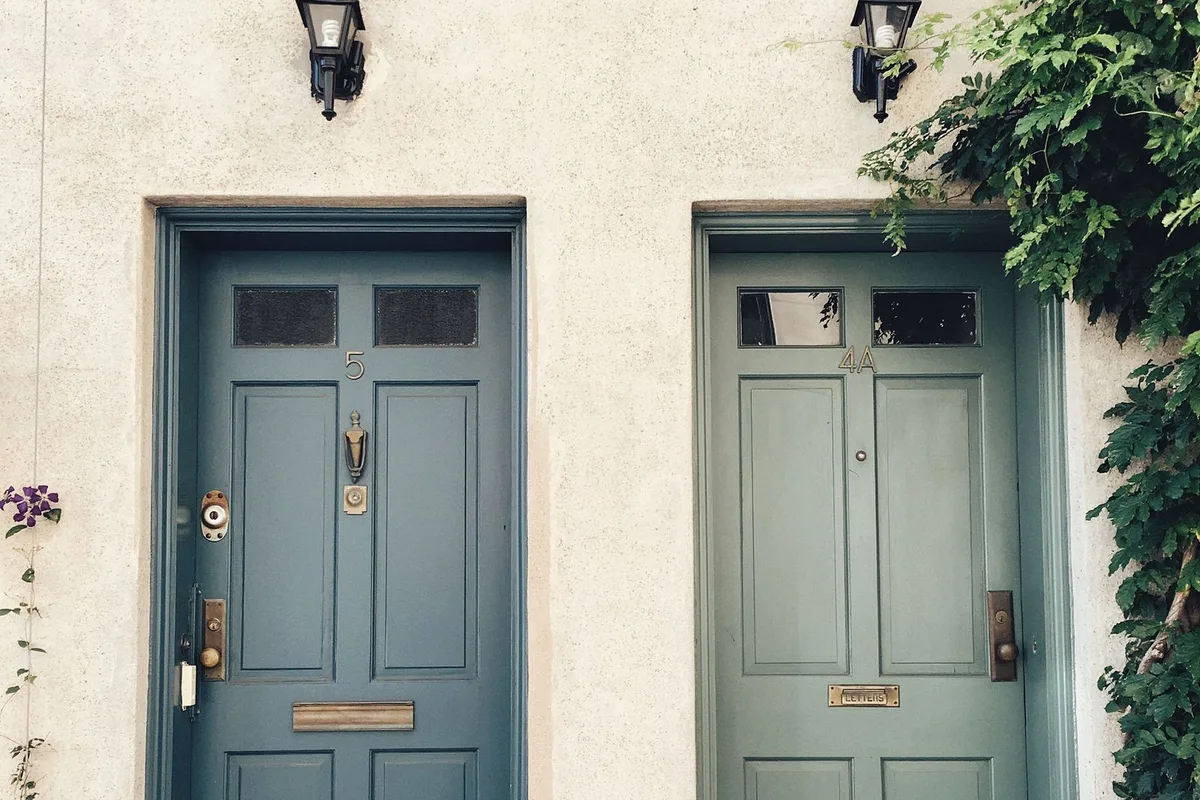
Yes, you can buy a duplex in Austin, live in one side and finance it as your primary home, which usually opens up owner-occupied loan programs instead of investor loans. In many cases the lender can also count part of the expected rent from the other unit to help you qualify.
People call this house hacking, and it comes up a lot when I talk with buyers here in Austin. You see side-by-side duplexes all over older neighborhoods like East Austin, Hyde Park and Windsor Park, and in college areas like San Marcos. Here is how I walk my clients through it.
Why does living in one unit change the loan?
Lenders treat a home you live in very differently from a property you only rent out. When you buy a two- to four-unit property and move into one of the units, most lenders consider it owner-occupied. That usually opens up the same loans people use for a single-family home, which tend to ask for less money down than an investor loan.
The catch is that you really do have to live there. You sign an occupancy statement at closing saying the property will be your primary residence. If the plan is to rent out both sides from day one, that is an investment property, and it needs a different loan.
Which loan programs work for an owner-occupied duplex?
The three I look at first for buyers who plan to live in one unit:
- FHA loans. FHA allows two- to four-unit properties as long as you live in one of the units. It is often a good fit for first-time buyers with less saved for a down payment.
- Conventional loans. Conventional financing also works on owner-occupied multi-unit homes, and the loan limits are higher for two-, three- and four-unit properties than for a single-family home.
- VA loans. Eligible veterans and service members can use VA on a property with up to four units if they live in one. At CapFi we follow straight VA guidelines with no lender overlays, there is no minimum FICO score for VA with us, and VA jumbo is available for higher-priced properties.
If you are comparing these side by side, our page on low down payment options is a good place to start.
Can the rent from the other unit help me qualify?
Often, yes. This is the part most buyers don’t expect. On an owner-occupied duplex, many programs let the lender count a portion of the expected rent from the unit you are not living in.
How the rent gets counted depends on the program and the lender. Things that usually come into play:
- An existing lease. If the other side is already rented, the current lease and proof the tenant is paying help support the income.
- The appraiser’s rent estimate. On a multi-unit property, the appraisal usually includes a look at what similar units rent for nearby. If there is no lease, the lender may use that estimate.
- Your landlord history. Some lenders look at whether you have managed a rental before.
- Extra tests on three- and four-unit homes. FHA has an additional rule for larger properties that checks whether the rents can carry the property on their own.
What about a house with an ADU or a garage apartment?
A single-family home with an accessory dwelling unit is usually still treated as a one-unit property, not a duplex. Some programs can count rent from an ADU in limited situations, and others won’t count it at all. If you are looking at a place with a garage apartment or a backyard cottage, tell me early so we can pick a loan that fits.
What else should I plan for on a duplex purchase?
- Reserves. Lenders often want to see more savings left over after closing on a multi-unit home than on a single-family house.
- Insurance. You will need a policy written for a property with a rental unit, not a standard homeowner policy for a single home.
- Taxes and the homestead exemption. Since you live there, you may be able to file a homestead exemption. Our guide to the Texas homestead exemption covers the basics.
- Being a landlord. Budget for repairs and the months the other side sits empty.
- Closing costs. Our Texas closing costs guide walks through what to expect at the table.
What if I don’t plan to live there?
Then it is an investment purchase, and the options change. Many investors use DSCR loans in Texas, which qualify mainly on the property’s rental income rather than your personal income. You can read more on our Austin DSCR loan page and our investment property loans page. If you are self-employed and want to live in the property, bank statement loans can be another route.
How CapFi helps duplex buyers
I have been in mortgage lending since 2004, and I founded CapFi Lending in 2017 so I could shop more than 50 wholesale lenders for my clients. On a duplex, that matters, because lenders handle rental income, reserves and multi-unit appraisals differently. My team and I help buyers across Travis, Williamson, Hays and Bexar counties. You can learn more about working with an Austin mortgage broker or read our pre-approval guide before you start touring.
Ready to look at a duplex?
Send me the listing or the area you are watching. I will help you figure out which programs fit, how the rent may be counted and what you will need to close with confidence. Or call me at (512) 593-1336.
FAQ
Can I buy a duplex in Austin and live in one side?
Yes. If you live in one of the units as your primary home, most lenders treat the property as owner-occupied. That usually lets you use FHA, conventional or VA financing instead of an investor loan.
Can rent from the other unit help me qualify for the mortgage?
Often, yes. Many programs let the lender count a portion of the expected rent from the unit you are not living in, based on an existing lease or the appraiser’s rent estimate. How much counts depends on the program, the lender and sometimes your landlord history.
Can I use a VA loan on a duplex?
Yes. VA allows properties with up to four units as long as you live in one of them. CapFi follows straight VA guidelines with no lender overlays, has no minimum FICO score for VA, and offers VA jumbo for higher-priced properties.
Is a house with an ADU the same as a duplex for a mortgage?
Usually not. A single-family home with an accessory dwelling unit is normally treated as a one-unit property. Some programs can count ADU rent in limited situations and others do not count it, so it is worth checking before you make an offer.
What loan do I need if I won’t live in the duplex?
If you will not live there, it is an investment property. Investors often use DSCR loans, which qualify mainly on the property’s rental income, or other investment property loans.