
Rehab Loan in Austin, TX
Buying a home that needs work? Roll the renovation into your loan. Call or text (512) 593-1336.
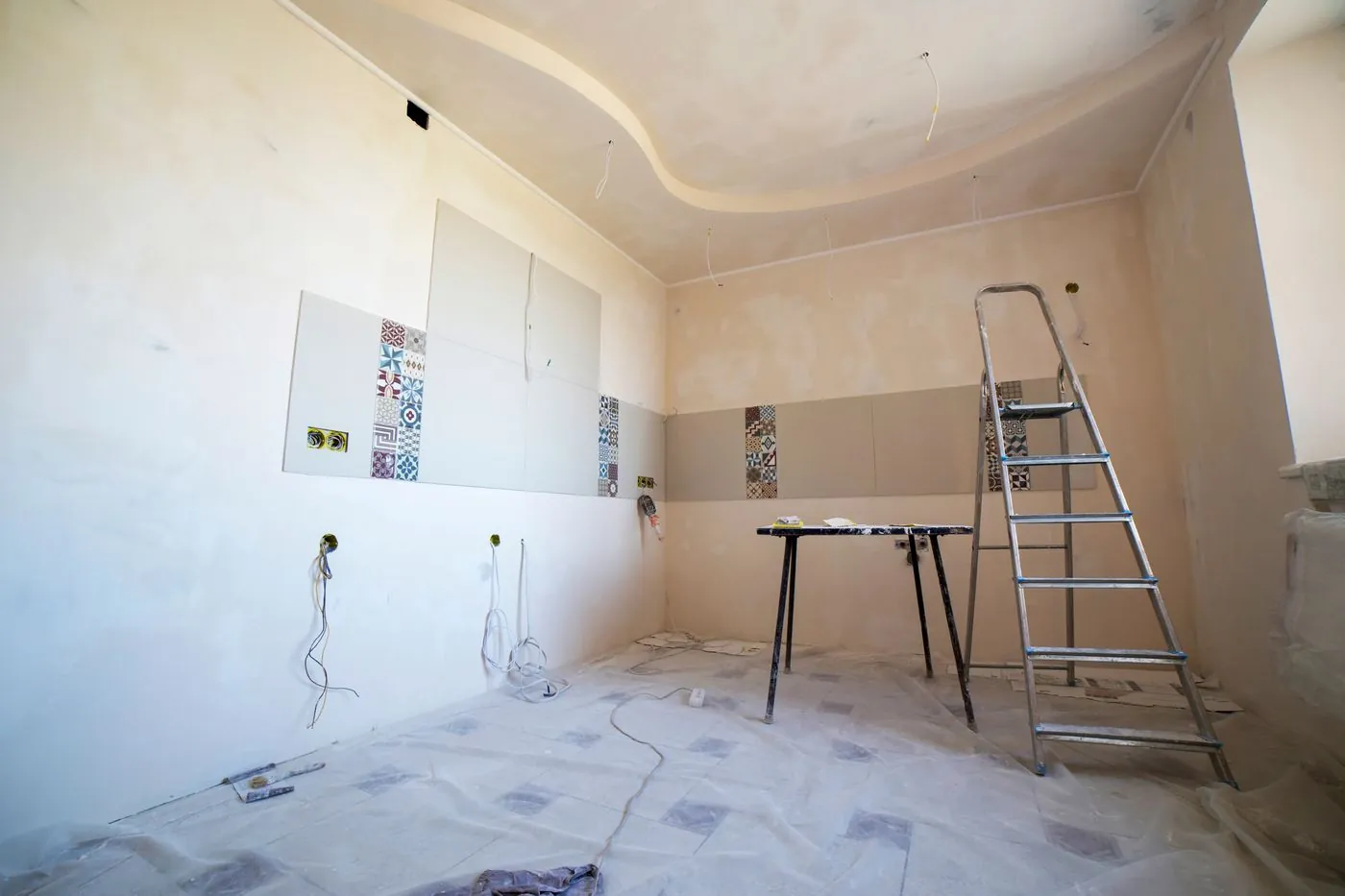
Understanding Rehab Financing in Austin, TX
A rehab loan in Austin, TX combines financing for a home purchase and eligible renovations within one mortgage transaction. At Capfi Lending, we help buyers evaluate the property, proposed improvements, financing requirements, and practical trade-offs before moving forward with a rehab mortgage.
Key Takeaways
- Combined Financing: A rehab mortgage can include the property purchase and approved renovation costs in one loan.
- Future Value Matters: The appraisal generally considers the home’s anticipated value after the documented improvements are completed.
- Several Programs: FHA 203(k), conventional renovation, and certain VA renovation structures have different eligibility and property rules.
- Controlled Renovation Funds: Repair money is typically held in an escrow account and released through scheduled draws after work is verified.
- Detailed Planning Required: Contractor bids, specifications, permits, inspections, and completion deadlines can affect approval and closing.
- Property Condition: Rehab loans may finance homes that need eligible repairs, but every property and proposed improvement must meet program guidelines.
Common Questions About Rehab Loans
Rehab loans finance eligible improvements differently from a standard mortgage, so understanding the process before making an offer is important.
- What is a rehab mortgage? It is a purchase or refinance loan that includes funds for approved repairs or improvements. The renovation portion is generally placed in escrow rather than given to the borrower at closing.
- Who may be eligible for a rehab program? First-time buyers, repeat buyers, veterans, and self-employed borrowers may be considered if they satisfy the selected program’s income, credit, occupancy, asset, and property requirements.
- How long does the process take? A rehab loan often takes longer than a standard purchase because bids, project documents, and an after-improved appraisal must be reviewed. Timing depends on the property, contractor, program, and completeness of the file.
- Can I complete the work myself? Some programs permit limited self-help work under specific conditions, but many require an experienced, lender-acceptable contractor. Borrower labor usually cannot be counted the same way as a contractor’s documented cost.
- Do I need contractor bids before closing? Yes, detailed bids are generally required before final underwriting. They should identify labor, materials, project stages, permit costs, and the improvements attached to the property.
- Is every renovation eligible? No. Luxury additions and improvements that do not become part of the real estate may be restricted, while roofing, plumbing, kitchens, accessibility upgrades, and energy improvements are commonly considered.
- What if I am purchasing a move-in-ready home? A traditional fixed-rate mortgage may involve fewer inspections, documents, and draw requirements when renovation financing is unnecessary.
- Are rehab loans available for investors? Certain conventional or private programs may allow investment properties, but many government-backed rehab loans focus on primary residences. A fix and flip home loan may be worth considering for a short-term investment project.
How Rehab Loans Work
A rehab loan moves from financial qualification to project approval, closing, construction draws, and final inspection. Each stage must be coordinated because the property and renovation plan are reviewed together.
- Discuss Your Financing Goals: We begin by reviewing your intended occupancy, income, assets, credit profile, and renovation goals. This helps us compare available rehab programs without assuming that every property or borrower will meet the same guidelines.
- Establish a Working Budget: Pre-qualification estimates how the purchase price, renovation costs, down payment, and reserves may fit together. Self-employed buyers should expect an additional review of tax returns or other permitted income documentation.
- Select an Eligible Property: Once you find a home, the sales contract should provide enough time for inspections, bids, appraisal, and financing review. Severe structural damage, mixed-use characteristics, or unfinished additions can require additional analysis.
- Prepare the Renovation Plan: Your contractor develops an itemized scope of work with materials, labor, permit expenses, and completion dates. What we typically see is that vague allowances cause delays because the appraiser and underwriter cannot determine exactly what will be completed.
- Complete Appraisal and Underwriting: The appraiser evaluates the existing property and its anticipated condition after renovation. Underwriting then reviews your finances, title, insurance, contractor documents, project feasibility, current loan limits, and any required contingency reserve.
- Close and Complete the Work: Purchase funds are disbursed at closing, while renovation funds are generally placed in escrow. Contractors request draws as work is completed, inspections confirm progress, and a final review verifies that approved improvements satisfy the program’s requirements.
Who Rehab Loans Help Most in Austin
A rehab mortgage may be a good fit when you have found a property with potential but do not want to fund all improvements separately after closing. It often works well for organized buyers who can make design decisions early, obtain reliable bids, and remain engaged during construction. In our experience, first-time buyers are more comfortable when they understand that contractor management, inspections, and draw requests continue after they receive the keys.
Borrowers who need immediate occupancy or want to make frequent changes during construction should carefully consider alternatives. A standard loan followed by separate improvement financing may offer more flexibility when the house already meets property standards. Veterans may also compare a renovation structure with a regular VA purchase loan, while high-cost properties may require evaluation under a jumbo home loan.
Rehab Loan Costs, Fees, and Expectations
Rehab loans generally have more third-party costs and a longer review process than mortgages for move-in-ready homes. In addition to ordinary appraisal, title, insurance, prepaid tax, and lender charges, you may encounter contractor review, inspection, draw administration, permit, engineering, or consultant fees. Down payments vary by program: FHA 203(k) financing can begin at 3.5%, while conventional and other renovation programs may require more based on occupancy, credit, property type, and current guidelines.
Rates are influenced by market conditions, program type, loan amount, credit, and project risk, and may be higher than those for a comparable standard mortgage. As a numerical example, a $400,000 purchase with $50,000 of approved work and a $5,000 contingency creates a $455,000 project basis; 3.5% of that amount is $15,925, although the actual required investment and loan amount depend on the appraisal, financed fees, mortgage insurance, and applicable 2026 limits.
| Feature | Rehab Loan | Standard Conventional Loan |
|---|---|---|
| Renovation Funding | Included for approved work | Usually paid separately |
| Down Payment | Varies; some programs begin at 3.5% | Varies by borrower and program |
| Additional Costs | May include draw, inspection, consultant, and project-review fees | Generally fewer construction-related fees |
| Rate Comparison | May be higher due to program and project complexity | Traditional programs may offer more favorable terms |
| Closing Timeline | Often 45–60 days, but circumstances vary | Often shorter when the property is ready |
| After Closing | Draws and inspections continue | No lender-managed renovation process |
Substantial additions, rebuilding, or ground-up work may fall outside a rehab program’s scope. In those cases, a construction home loan may be worth exploring.
Common Rehab Loan Mistakes to Avoid
The most common rehab loan problems begin with incomplete planning rather than the mortgage application itself.
- Making an Offer Before Reviewing the Project: A short financing deadline may not leave enough time for contractor bids, inspections, and an after-improved appraisal. Discuss the likely scope before agreeing to restrictive contract dates.
- Submitting a Lump-Sum Bid: A bid stating “kitchen remodel—$40,000” may be rejected or returned for clarification. Underwriters typically need labor, materials, fixtures, permits, and project phases broken out in detail.
- Changing Work After Appraisal: Replacing a planned bedroom repair with a pool or detached feature can alter eligibility and value. Material changes may require a revised bid, appraisal review, and underwriting approval.
- Ignoring Permit and Contractor Requirements: Starting work before closing or before permits are issued can create title, insurance, and disbursement issues. Contractors should understand the lender’s draw process before accepting the project.
- Forgetting Housing Costs During Construction: If a property cannot be occupied immediately, you may have rent, mortgage payments, storage, and moving expenses at the same time. Reserves should account for delays rather than only the contractor’s estimate.
Local Considerations for Rehab Loans in Austin, TX
Older housing, redevelopment pressure, and municipal review can materially affect a local renovation project. Hyde Park and Travis Heights contain older homes where foundations, electrical panels, sewer lines, historic restrictions, and tree-protection rules may expand the original scope. In East Austin, buyers should also verify permits for prior additions, accessory dwelling units, and converted garages before relying on that space for appraisal value.
Demand from technology employees, semiconductor companies, state government, and the University of Texas supports competition across many sub-markets. What we typically see in Austin, TX is that experienced local contractors price permitting, inspections, clay-soil foundation concerns, and summer scheduling into their bids earlier than contractors unfamiliar with Central Texas conditions.
Ready to Discuss Your Rehab Loan?
We are ready to help you compare renovation financing with conventional, VA, jumbo, and construction alternatives based on your actual plans. CapFi Lending is a locally owned Austin mortgage broker with 22 years of experience and a 4.9★ rating from 79 Google reviews. We’ll show you how to fold renovation costs into your purchase. Call or text (512) 593-1336 or tap Get Started for a free pre-approval.
Have a question about financing a renovation? Call or text (512) 593-1336, Mon–Sat 9–7, and talk with a local broker with 22 years of Central Texas experience.
Work with a local Austin broker: CapFi Lending, Austin mortgage broker · Dustin Edwards, founder (NMLS 577050) · Clay Wilson, loan officer · Meet our team · About CapFi Lending