
FHA Home Loan for First-Time Buyers in Austin, TX
Buying your first Austin-area home with a smaller down payment? Call or text (512) 593-1336 for a free FHA pre-approval.
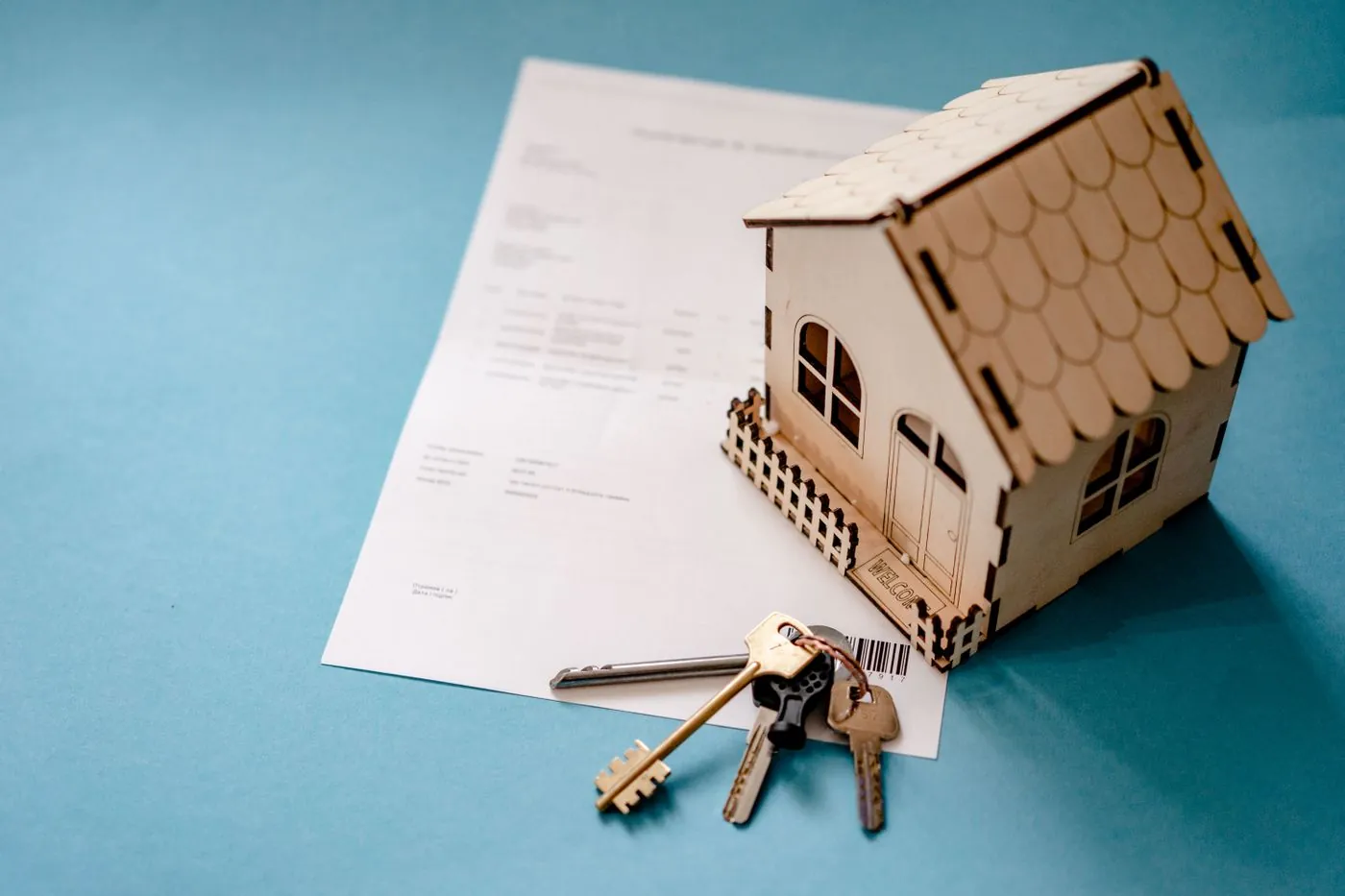
Understanding an FHA Home Loan for Austin Buyers
An FHA home loan in Austin, TX is a government-insured mortgage that may help buyers purchase a primary residence with a smaller down payment or a more flexible credit profile. At Capfi Lending, we explain the FHA Home program clearly, compare it with other financing choices, and help you understand the documentation, property, and payment requirements before you make an offer.
Key Takeaways
- FHA insurance: The Federal Housing Administration insures the mortgage, while an approved mortgage lender originates and underwrites it.
- Down payment: Qualified borrowers may purchase with 3.5% down, although credit history and underwriting findings affect eligibility.
- Primary residence: FHA financing is generally limited to a home you intend to occupy rather than a vacation home or investment property.
- Mortgage insurance: FHA Home loans include upfront and annual mortgage insurance premiums that should be included in your cost comparison.
- Property standards: The home must meet FHA requirements concerning safety, security, structural soundness, and marketability.
- Flexible eligibility: FHA guidelines can accommodate some borrowers with limited savings, moderate credit, or previous financial challenges.
- Program comparison: Conventional, VA, and jumbo financing may offer meaningful advantages for borrowers who meet their respective requirements.
Common Questions About FHA Home Loans
FHA Home loans combine flexible borrower guidelines with specific occupancy, appraisal, and mortgage insurance requirements. These direct answers cover the questions we hear most often from buyers.
- What is an FHA Home mortgage? It is a mortgage made by an FHA-approved lender and insured by the Federal Housing Administration. The insurance reduces lender risk but does not eliminate the borrower’s responsibility to repay the loan.
- Who may use the FHA Home program? First-time and repeat buyers may apply. Eligibility depends on documented income, credit, debts, available funds, occupancy plans, the property, and current FHA and lender guidelines.
- How much is the minimum down payment? The minimum is generally 3.5% with a qualifying credit score of at least 580. FHA guidelines permit 10% down for certain scores from 500 through 579, but individual lenders may apply stricter credit standards.
- Can I buy a duplex with FHA financing? You may be able to finance an eligible two- to four-unit property if you occupy one unit as your primary residence. The property and projected rental income must satisfy applicable underwriting rules.
- Do I need to be a first-time buyer? No. FHA financing is frequently associated with first-time buyers, but repeat buyers can also use it if they meet the program requirements.
- Is perfect credit required? No, but payment history still matters. Recent late payments, collections, bankruptcy, foreclosure, or disputed accounts may require additional documentation and waiting periods.
- How long does the process take? Many purchase loans close in approximately 30 to 45 days, although appraisal repairs, title matters, incomplete documents, or complex income can extend that timeline.
- Are veterans required to use FHA financing? No. Eligible service members and veterans should also compare an FHA loan with a VA Home Loan, which may permit 0% down and does not require monthly mortgage insurance.
How FHA Home Loans Work
An FHA purchase moves from financial review to property approval, underwriting, and closing. Knowing what happens at each stage can help you avoid preventable delays.
- Discuss your goals: We begin with your intended price range, available cash, employment, debts, and credit history. You can talk to a real person, get real answers, and decide whether FHA or another program may be appropriate.
- Complete pre-approval: We review income, assets, credit, and monthly obligations to estimate a manageable purchase range. Providing complete documents early can support a Fast Approval process, but timing and approval are never guaranteed.
- Compare loan structures: We review the estimated interest rate, mortgage insurance, cash needed, and monthly payment. Buyers should compare FHA with conventional financing and relevant low down payment purchase options.
- Find an eligible home: After pre-approval, you can make an offer on a primary residence within the current FHA loan limit for that county. Condominiums, manufactured homes, and multi-unit properties may involve additional eligibility requirements.
- Order appraisal and title work: An FHA-approved appraiser evaluates market value and observes whether the property meets minimum standards. This appraisal is not a substitute for an independent home inspection, which examines the property more thoroughly for your benefit.
- Complete underwriting: An underwriter verifies your finances, occupancy, source of funds, appraisal, and title information. Additional conditions are common, particularly when deposits, job changes, gift funds, or self-employment require explanation.
- Review and close: Once all conditions are cleared, you receive final disclosures showing your payment and cash needed to close. You sign the documents, contribute verified funds, and take ownership according to the purchase contract.
Is FHA Financing a Good Fit for You?
FHA financing often works well for buyers who need flexibility on down payment, credit history, or debt ratios. It may be worth considering if you are buying your primary residence, have stable documented income, and can manage both the payment and mortgage insurance. In our experience, first-time buyers benefit from reviewing the full payment before shopping; our first-time home buyer resources explain other important planning considerations.
Borrowers with strong credit or substantial savings should compare alternatives rather than assume FHA is the lowest-cost choice. Conventional financing may provide more favorable mortgage insurance treatment, while eligible veterans may prefer VA financing. Self-employed buyers whose tax returns do not reflect enough qualifying income may want to review a self-employed mortgage, and purchases above current FHA county limits may require conventional or jumbo home loan financing.
FHA Loan Costs, Fees, and Timelines
The cost of an FHA loan includes more than the down payment and interest rate. Buyers should budget for upfront and annual mortgage insurance, lender charges, appraisal and title services, prepaid interest, homeowners insurance, and property tax escrows. Seller credits may cover eligible costs within FHA rules, but they cannot replace every required borrower contribution.
For example, a $400,000 purchase with 3.5% down requires a $14,000 down payment, leaving a $386,000 base loan before any financed upfront mortgage insurance. Closing costs and prepaid items are separate and vary with taxes, insurance, lender pricing, title work, closing date, and negotiated credits.
| Feature | FHA Home Loan | Conventional Alternative |
|---|---|---|
| Down payment | Generally 3.5% with qualifying credit | May begin at 3% for eligible borrowers |
| Mortgage insurance | Upfront and annual premiums apply | Usually applies below 20% down and may later be removable |
| Property use | Primary residence | Primary, second home, or investment, subject to guidelines |
| Property review | FHA appraisal and minimum property standards | Conventional appraisal standards |
| Typical purchase timeline | Often approximately 30–45 days | Often approximately 30–45 days |
FHA interest rates can be competitive, but the note rate alone does not show total cost. We compare annual percentage rate, mortgage insurance, discount points, lender credits, cash due, and the period you expect to keep the loan.
Common FHA Loan Mistakes to Avoid
Most FHA loan problems arise from incomplete planning, financial changes, or a property that cannot satisfy program requirements. Avoiding these mistakes can make underwriting more predictable.
- Opening new credit before closing: Financing furniture or a vehicle can raise your debt ratio and reduce your available funds. Lenders may refresh credit before closing, so discuss new debt with us first.
- Moving money without a paper trail: A $12,000 cash deposit from savings kept at home cannot be verified like a documented transfer between bank accounts. Unverifiable cash may be excluded from funds needed to close.
- Confusing appraisal with inspection: The FHA appraisal addresses value and observable minimum property standards; it does not provide the detailed analysis of roofs, foundations, plumbing, or electrical systems that a buyer’s inspection can offer.
- Ignoring required repairs: Missing handrails, exposed wiring, broken windows, peeling paint on older homes, or an inoperable system may need correction before closing. The appraiser may also require a follow-up inspection.
- Underestimating mortgage insurance: Comparing only principal and interest can produce an unrealistic budget. Include mortgage insurance, property taxes, homeowners insurance, and any homeowners association dues.
- Assuming pre-approval is final approval: Pre-approval is based on reviewed information, not a guarantee. Employment, assets, credit, title, appraisal, and property eligibility must remain acceptable through closing.
Local Considerations for FHA Loans in Austin, TX
Local price patterns, property condition, taxes, and competition can all affect an FHA purchase. Condominiums around Mueller may require project-level eligibility review, while older houses in Windsor Park or North Loop can present appraisal concerns involving electrical systems, roofs, additions, or peeling exterior paint. Homes with unpermitted conversions also deserve careful review before you commit.
Technology employees near the Domain and healthcare workers around the Dell Medical District may receive bonuses, restricted stock, overtime, or variable compensation that must be documented under current guidelines. What we typically see in Austin, TX is that property tax estimates and homeowners insurance can materially change the payment, even when two homes have similar list prices.
Ready to Explore Your FHA Loan?
We are here to help you understand the numbers, compare programs, and move forward with a financing plan based on your actual circumstances. CapFi Lending is a locally owned Austin mortgage broker, with 22 years of experience and a 4.9★ rating from 79 Google reviews. Call or text (512) 593-1336 or tap Get Started for a free pre-approval. Most buyers hear back the same day.
Have a question about your situation? Call or text (512) 593-1336, Mon–Sat 9–7, and talk with a local broker who’s been helping Central Texas buyers for 22 years.
Work with a local Austin broker: CapFi Lending, Austin mortgage broker · Dustin Edwards, founder (NMLS 577050) · Clay Wilson, loan officer · Meet our team · About CapFi Lending