Navigating the Austin Housing Market: Low Down Payment Mortgage Options Explained
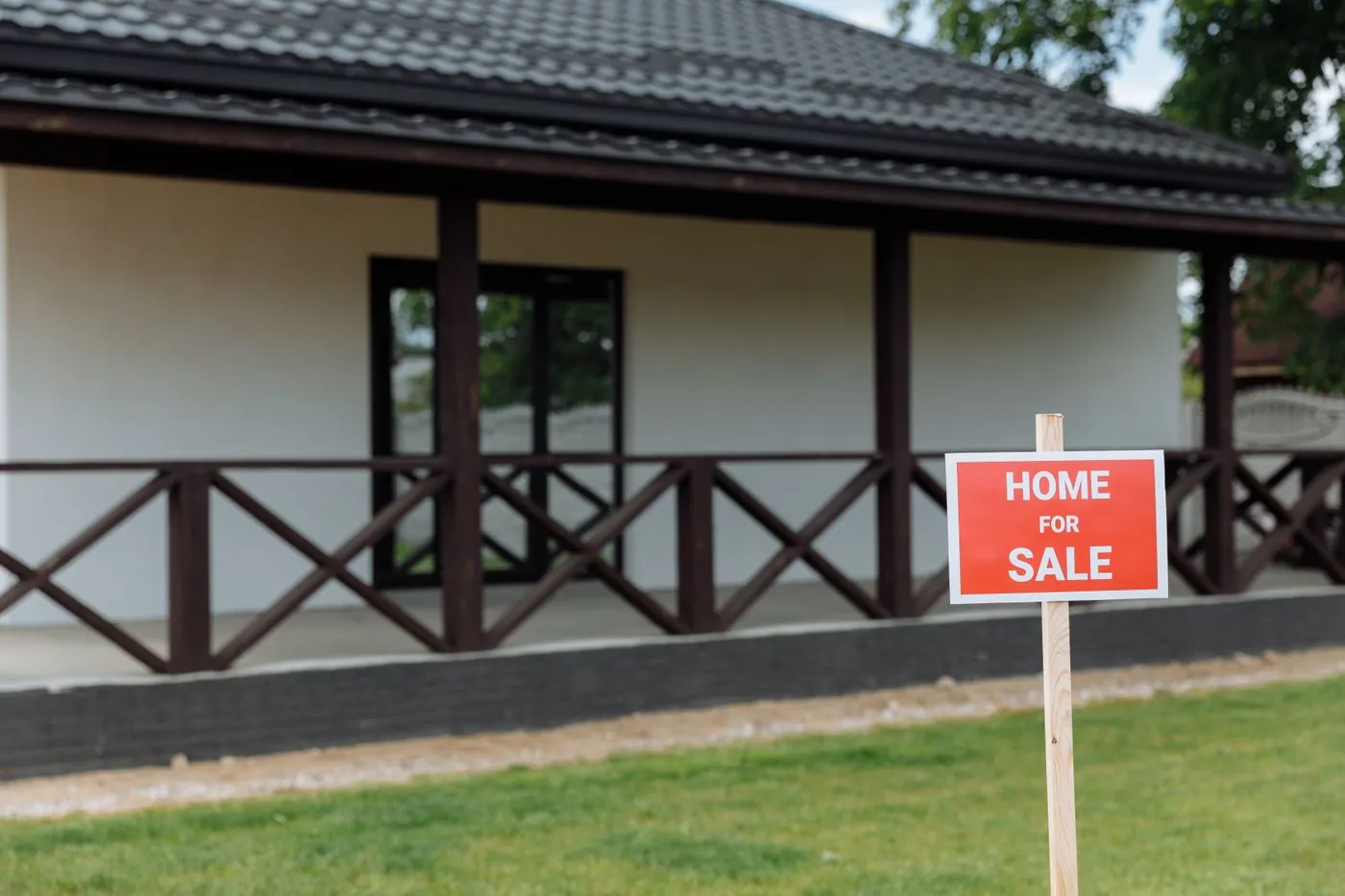
For many in Austin and the surrounding Texas counties, saving for a large down payment is often the biggest hurdle to homeownership. Low down payment mortgage options are loans that allow qualified buyers to purchase a home with a smaller upfront investment than traditional programs typically require. In this guide, we’ll lay out how these options work, who qualifies, and practical ways to secure the financing you need with less cash up front.
Key Takeaways
- Purpose: Low down payment loans help buyers purchase homes without needing a large sum saved for a down payment.
- Eligibility: Many programs are available to first-time home buyers, veterans, and those with moderate incomes or non-traditional earnings.
- Options: Choices include FHA, VA, and certain conventional programs, along with local down payment assistance programs.
- Timeline: Many low down payment loans may offer a relatively quick and straightforward application process, depending on the lender.
- Best For: Buyers in Austin, Round Rock, Travis, Hayes, Williamson, and Bexar Counties seeking to maximize purchasing power or overcome savings challenges.
Quick Answers: Low Down Payment Loan Basics
- Are down payment grants available? Yes, several city and county programs help eligible buyers with grants or forgivable loans to reduce out-of-pocket expenses.
- Is my income too high for down payment assistance? Many programs have income limits, but some products—especially conventional loans—may not. Guideline specifics vary, so review current requirements.
What is a Low Down Payment Mortgage?
These loans are designed for buyers who may have reliable income but have not yet built up significant savings, as well as those who want to keep more funds available for other priorities after closing.
Why Do These Options Exist?
Low down payment programs can open the door to purchasing a home sooner, sometimes while taking advantage of special features like flexible credit, reduced mortgage insurance, or down payment assistance grants.
The Top Low Down Payment Loans Available in Austin
Here’s an overview of the most popular options:
FHA Loans
Flexible credit requirements and higher allowable debt-to-income ratios make FHA a strong fit for first-time home buyers, or anyone who may have a few bumps on their credit history. These loans do include mortgage insurance premiums (MIP), both upfront and monthly. You can read more about qualification and costs on our FHA home loan page.
These come with private mortgage insurance (PMI) requirements, but PMI costs may decrease as your equity grows or can be removed later. These programs often allow broader property types than government loans.
VA Loans
For eligible U.S. VA loans also feature competitive market rates and flexible underwriting. If you’re a veteran or active-duty buyer in Travis County or the greater Austin market, VA may be your path to homeownership with minimal upfront cash outlay.
Down Payment Assistance (DPA) Programs
Across major Texas counties—including Travis, Williamson, and Hayes—there are assistance programs and grants designed to help bridge the gap for down payment and closing costs. These may be structured as grants, forgivable loans, or second liens, and usually come with their own occupancy and income requirements. We’ll help you identify which, if any, you may qualify for as part of your mortgage planning.
Other Flexible Programs
- Bank Statement Loans: For self-employed buyers or those with non-traditional income, bank statement loan programs offer alternative documentation and down payment options—even when tax returns are complex or unavailable.
- DSCR Loans: For buyers considering investment property, our DSCR loan program can finance homes based on property cash flow rather than personal income documentation, providing flexibility for growing portfolios.
- FHA, Jumbo, and Other Products: We routinely help buyers explore the full spectrum, including programs like jumbo loans for higher purchase prices and FHA/VA for eligible scenarios.
Understanding the Process: From Application to Approval
Applying for a low down payment mortgage with Capfi Lending is designed to be as straightforward as possible. You will:
- Share some basic information about your finances and home search plans.
- Work with one of our team members (you’ll always talk to a real person who can lay out your options and answer your questions).
- Receive a clear mortgage estimate—breaking down your projected monthly payment, required cash to close, and any other out-of-pocket costs.
- Strengthen your home search with a pre-approval letter—often available in a relatively short time frame depending on your lender’s procedures (ask about pre-approval timing as you plan your offer strategy).
From there, we’ll support you through property selection, underwriting, and closing. If you’re buying in a competitive area like Austin, pre-approval can give you a meaningful edge with sellers.
How Down Payment Size Impacts Your Loan
Choosing a lower down payment means bringing less cash to closing—freeing up funds for moving costs, home repairs, or savings. However, it also means:
- Potentially higher monthly payments (due to a larger loan amount and insurance requirements).
- Qualification standards for credit, income, and debt may be higher, as guidelines can be tighter to offset added lender risk.
This decision comes down to personal financial goals and comfort. We’ll help you weigh the trade-offs and outline what works for your financial snapshot.
Comparing Low Down Payment Loan Types
| Loan Type | Minimum Down | Monthly Mortgage Insurance? | Ideal Buyer |
|---|---|---|---|
| FHA | Yes (MIP) | First-time buyers, flexible credit | |
| Conventional | Wider range, higher credit | ||
| VA | No ongoing monthly | Eligible veterans/service members | |
| Local DPA | Depends on main loan type | Buyers with limited savings, local eligibility |
Remember, guidelines and availability can shift based on market conditions, loan limits, and your unique scenario. That’s why it’s so important to get real answers from a team that understands both the national programs and the unique demands of the Austin market.
Finding the Right Fit: Who Qualifies?
Low down payment mortgages are not just for first-time buyers. Many conventional and FHA options are open to repeat buyers, as well as those who may not have a traditional paycheck history. If you’re self-employed, have variable income, or are working toward building a stronger credit profile, there are programs designed to fit.
Income and credit requirements vary by program, but these are the common threads:
- Stable, verifiable income (which can sometimes include self-employment or alternative documentation with the right lender).
- Ability to document or source any gifted or assistance dollars if using down payment grants.
- A willingness to meet any lender or program-specific requirements, such as attending a homebuyer education course or occupying the home as a primary residence.
Talk with our team about your full financial picture—often, buyers are surprised to learn just how many doors open with the right plan in place.
Austin Market Nuances: Why Local Experience Matters
Whether you’re looking in downtown Austin, Round Rock, or expanding into Williamson or Hayes County, the competitive landscape calls for smart financing. Local property rules, appraisal trends, and city-or-county-specific DPA programs are all part of the equation. As a mortgage lender rooted in Austin since 2017, our team’s understanding of these details means we can help you craft an offer that stands out—and structure your loan for both short- and long-term comfort.
Next Steps: Turning Low Down Payment Potential into a Smart Purchase
Ready to move beyond online calculators and actually see how a low down payment option could work for you? At Capfi Lending, we’re committed to putting our clients’ needs first—the way we have since opening as an independent Austin lender. Let us custom tailor the right mortgage, help you compare options, and outline the next steps so you can shop with clarity and confidence.
Reach out by call, text, or email to connect directly with an experienced local loan specialist. We’ll review your exact scenario, walk through different loan products, and help you understand what you’ll need to qualify, all before you make an offer.
Your path to homeownership doesn’t have to be daunting. Let’s clear the way so you can secure your home in Austin—or anywhere across Travis, Williamson, Hayes, or Bexar County—with less stress and more satisfaction. Start your pre-approval planning with Capfi Lending today.
Frequently Asked Questions
Can down payment assistance be combined with other mortgage programs?
Yes, many assistance programs are designed to work alongside FHA, VA, or conventional loans, although each program has its own compatibility and guideline requirements. It’s important to confirm all terms upfront.
What if I receive gifted funds for my down payment?
Most loan options allow for a portion—or even all—of your down payment to come from a documented gift from relatives or approved benefactors, subject to documentation and program guidelines.
Will a lower down payment affect my closing costs?
While your total cash to close may decrease with a smaller down payment, closing costs such as lender fees, title, escrow, and insurance are still required and can often be paid via assistance programs or negotiated seller credits.
Do self-employed buyers qualify for low down payment loans in Austin?
Yes, self-employed and 1099-income buyers may qualify for low down payment mortgages, as long as they can meet documentation and program requirements. Bank statement loan programs may also be an option for flexible qualification.
What happens if property values fluctuate after I buy with a low down payment?
If home prices drop after your purchase, it could take longer to build substantial equity. Most loan programs have measures to help manage this risk, but it’s wise to plan for long-term ownership to weather short-term market changes.
This is educational and not financial advice. Loan programs and guidelines can change. Talk with a licensed mortgage professional about your specific scenario.